You Won’t Believe How Fast This Anti-Aging Shift Worked
As I stared into the mirror one morning, the fine lines and dullness in my skin felt louder than ever—like my body was quietly aging without my permission. I didn’t want extreme treatments or miracle promises. I just wanted to feel and look more vibrant, faster. What I discovered wasn’t magic, but a science-backed, quick-to-adopt routine that boosted my energy, sharpened my focus, and visibly refreshed my appearance. This is the real, no-fluff story of how small daily upgrades transformed my health from the inside out.
The Wake-Up Call: When Aging Started to Show
It wasn’t one dramatic moment, but a series of quiet realizations that added up. Mornings began with a heaviness that coffee could only mask for so long. I’d stand in front of the closet, noticing how clothes fit a little tighter, not because of weight gain, but because my posture had subtly shifted—shoulders rounding, spine less springy. My skin, once resilient, now showed faint creases at the corners of my eyes and a persistent dryness that moisturizer couldn’t fully fix. Recovery from a busy day used to take a night. Now it took two, sometimes three.
These weren’t alarming health issues—no diagnoses, no emergencies—but they were signals. They whispered that my body was adapting to age in ways I hadn’t fully acknowledged. I wasn’t alone. Many women in their 30s, 40s, and beyond notice these shifts: a slower metabolism, less stamina, changes in sleep quality, or a complexion that no longer bounces back as easily. These aren’t failures. They’re biological feedback. The body is designed to change, but how it changes depends on the inputs we give it.
What struck me most was how easily I’d ignored these signs. Life was busy—work, family, responsibilities—and self-care often came last. When I finally paused, I realized I didn’t want to chase youth. I wanted to feel aligned—with my energy, my mood, my physical presence. I didn’t want drastic measures like invasive procedures or restrictive diets. I wanted something sustainable, something that fit into real life. That’s when I began to explore not anti-aging as a battle, but as a daily practice of support.
Redefining Anti-Aging: It’s More Than Skin Deep
Most anti-aging conversations focus on appearance—creams, lasers, serums. But true aging begins far beneath the surface, at the cellular level. The way we feel, move, think, and recover is shaped by what’s happening in our mitochondria, our hormones, and our inflammatory pathways. When we talk about slowing aging, we’re really talking about maintaining function: energy production, tissue repair, immune resilience, and mental clarity.
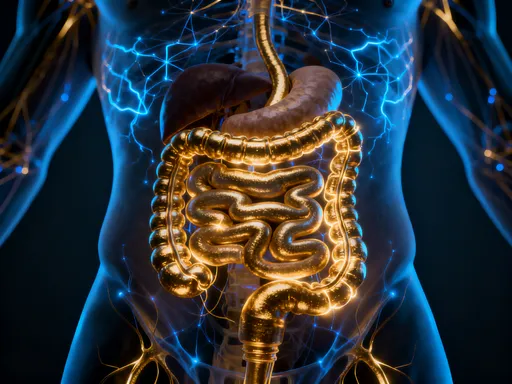
Two key biological processes drive aging: oxidative stress and chronic inflammation. Oxidative stress occurs when free radicals—unstable molecules produced naturally through metabolism—outnumber the body’s antioxidants. These free radicals can damage cells, including DNA, proteins, and lipids. Over time, this damage accumulates, leading to visible signs like wrinkles and age spots, but also internal changes like reduced organ efficiency.
Chronic inflammation is another silent accelerator. Unlike acute inflammation, which helps heal injuries, chronic low-grade inflammation persists due to poor diet, stress, lack of sleep, or environmental factors. It’s linked to nearly every age-related condition, from joint stiffness to brain fog. The good news? Both oxidative stress and inflammation are modifiable. They respond to lifestyle choices. That means we’re not passive observers of aging—we’re active participants in how it unfolds.
True anti-aging, then, isn’t about erasing time. It’s about optimizing biology. It’s supporting the body’s natural repair systems so that we age with vitality, not decline. This shift in mindset—from fixing flaws to fostering function—changed everything. Instead of focusing on what I was losing, I began to ask: What can I add? What small changes could support my body’s ability to renew itself?
The Power of Small, Fast Changes
When I first looked into anti-aging strategies, I was overwhelmed. There were endless supplements, complex routines, and conflicting advice. But what I learned is that the most effective changes aren’t the most complicated—they’re the ones that deliver results quickly and can be sustained. The body responds remarkably fast to positive inputs. Hydration, movement, light, and breath—these aren’t minor details. They’re foundational signals that tell the body it’s safe, supported, and ready to repair.
Take hydration. Within hours of increasing my water intake, I noticed a difference. My skin felt plumper, my energy less jagged. Why? Water is essential for cellular function. It helps transport nutrients, remove waste, and maintain blood volume. Even mild dehydration can slow metabolism and impair cognitive performance. By simply drinking more water—especially first thing in the morning—I gave my cells the medium they needed to function efficiently.
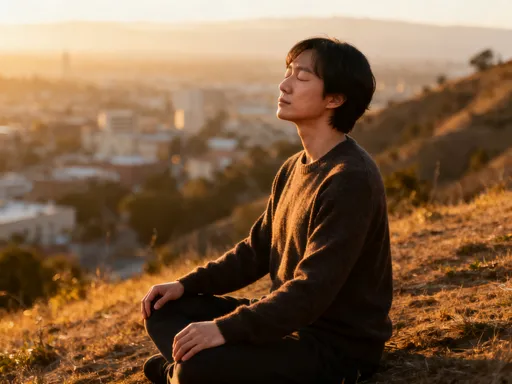
Morning light exposure is another fast-acting lever. Within minutes of stepping outside after waking, my mood lifted, and my alertness sharpened. Natural light helps regulate the circadian rhythm, the internal clock that governs sleep, hormone release, and metabolism. When this clock is synchronized, the body operates more smoothly. Disruption—like staring at screens in the dark—can lead to fatigue, weight gain, and poor sleep. Just 10 to 15 minutes of morning sunlight can reset this system, improving sleep quality and daytime energy within days.
Breathwork, too, delivers near-immediate benefits. Deep, slow breathing activates the parasympathetic nervous system, the “rest and digest” mode. This counters the stress response, lowering cortisol levels and reducing inflammation. Even two minutes of conscious breathing can shift the body from a state of tension to one of calm. These micro-shifts—small, fast, and accessible—became the building blocks of my new routine. They weren’t about perfection. They were about consistency and signal.
My 3-Minute Morning Reset Routine
I designed this routine to be simple, science-aligned, and doable even on the busiest mornings. It takes less than three minutes and sets the tone for the entire day. The goal isn’t to add another task but to replace old habits—like reaching for the phone—with ones that support long-term vitality.
The first step is sunlight exposure. As soon as I wake up, I step outside—barefoot if possible—and face the morning light for at least 10 minutes. I don’t wear sunglasses, so my eyes receive the full spectrum of natural light. This signals to my brain that the day has begun, suppressing melatonin and boosting cortisol in a healthy, rhythmic way. This simple act helps regulate my sleep-wake cycle, improves mood, and enhances alertness. Within a week of doing this daily, I noticed I was waking up more naturally, without the grogginess that used to linger.
The second step is deep breathing. I stand or sit comfortably and inhale slowly through my nose for four counts, hold for four, exhale through my mouth for six, and pause for two. I repeat this for two to three minutes. This pattern—known as box breathing or coherent breathing—slows the heart rate, reduces stress hormones, and increases oxygen delivery to tissues. It’s especially powerful when done on an empty stomach, as it primes the body for efficient metabolism. I’ve found that starting the day with breathwork makes me less reactive to stress and more focused during the morning hours.
The third step is a nutrient-dense drink. I blend filtered water with a squeeze of lemon, a pinch of high-quality sea salt, and a scoop of collagen peptides. Lemon provides vitamin C, which supports skin elasticity and immune function. Sea salt offers trace minerals that support hydration and electrolyte balance. Collagen, a structural protein, supports skin, hair, nails, and joint health. Consuming it in the morning gives my body the raw materials it needs for daily repair. This drink replaces my old habit of skipping breakfast or reaching for sugary coffee. It’s fast, satisfying, and sets a tone of nourishment.
Together, these three steps—light, breath, and nutrition—create a powerful cascade of physiological benefits. They align the circadian rhythm, calm the nervous system, and fuel cellular repair. I didn’t expect such quick results, but within days, I felt more awake, centered, and resilient. The routine didn’t take time from my day—it gave time back by improving my energy and focus.
Fueling Longevity: What I Eat (And When)
Nutrition is a cornerstone of anti-aging, but it’s not about restrictive diets or counting calories. It’s about consistency, quality, and timing. I shifted my focus from what to eliminate to what to include—whole, nutrient-rich foods that support cellular health. My plate now features a variety of colorful vegetables, healthy fats, lean proteins, and fiber-rich carbohydrates. I aim for balance, not perfection.
One of the most impactful changes was establishing regular meal rhythms. Eating at consistent times each day helps regulate insulin, supports stable energy, and improves digestion. I aim for three main meals with minimal snacking, allowing my body periods of rest between eating. This gentle approach to timing supports metabolic flexibility—the ability to switch between burning glucose and fat for fuel—without the pressure of strict fasting protocols.
My typical day starts with the morning drink, followed by a breakfast of scrambled eggs with spinach and avocado, or overnight oats with berries, chia seeds, and almond butter. Lunch is often a large salad with mixed greens, grilled chicken or salmon, olive oil and lemon dressing, and a handful of nuts. Dinner might be roasted vegetables with lentils or a small portion of lean meat, always including something fermented, like sauerkraut or kimchi, to support gut health. I eat dessert occasionally—a square of dark chocolate or a fruit-based treat—but avoid processed sugars, which drive inflammation and accelerate aging.
Hydration remains a priority throughout the day. I drink water consistently, often with a slice of cucumber or lemon for flavor. I limit caffeine to one cup in the morning and avoid alcohol most days, as both can disrupt sleep and increase oxidative stress. The goal isn’t deprivation but sustainability. I still enjoy meals with family and friends. I just make choices that leave me feeling energized, not sluggish. Over time, my cravings shifted. I began to desire foods that made me feel good, not just taste good.
Movement That Fits—Not Fixes—Your Life
Exercise used to feel like a chore—a box to check, often skipped. But reframing movement as a form of self-care changed everything. I stopped thinking about burning calories and started thinking about supporting my body’s function. Movement, even in small doses, is one of the most powerful anti-aging tools. It improves circulation, enhances insulin sensitivity, supports joint health, and boosts mood through endorphin release.
I now prioritize daily motion over intense workouts. A 20- to 30-minute walk after lunch has become non-negotiable. Walking is low-impact, accessible, and effective. It helps regulate blood sugar, reduces stress, and supports cardiovascular health. On most days, I also incorporate gentle stretching or yoga, focusing on mobility and breath. This helps maintain flexibility, reduce stiffness, and improve posture—key factors in how we age physically.
Twice a week, I add short strength sessions—10 to 15 minutes of bodyweight exercises like squats, lunges, and push-ups against the wall. These movements preserve muscle mass, which naturally declines with age. Muscle is metabolically active tissue; the more we have, the more efficiently we burn calories, even at rest. Strength training also supports bone density, reducing the risk of fractures later in life.
The key has been consistency, not intensity. I don’t wait for the “perfect” time or mood. I move when I can, where I can. Even three minutes of stretching while waiting for the kettle to boil counts. These small efforts add up, creating a body that feels strong, capable, and alive. I no longer see aging as inevitable decline. I see it as an opportunity to move with purpose and care.
Sleep, Stress, and the Invisible Repair Shift
If movement and nutrition are the visible pillars of health, sleep and stress management are the invisible ones. They operate behind the scenes, influencing everything from hormone balance to cellular repair. Sleep, in particular, is when the body performs its most critical maintenance—clearing brain waste, repairing tissues, and rebalancing hormones. Without quality sleep, even the best diet and exercise routine can’t fully compensate.
I used to underestimate sleep, treating it as negotiable. Now, I protect it. I aim for 7 to 8 hours each night and follow a consistent bedtime routine. An hour before bed, I dim the lights, turn off screens, and switch to reading or gentle stretching. I keep my bedroom cool, dark, and quiet, using blackout curtains and a white noise machine if needed. I avoid heavy meals and caffeine in the evening, and I limit alcohol, which disrupts deep sleep cycles.
Stress management has been equally transformative. Chronic stress elevates cortisol, which over time can lead to weight gain, poor sleep, and weakened immunity. I’ve learned to recognize my stress triggers and respond with intention. I use breathwork, journaling, and short walks to reset when I feel overwhelmed. I’ve also set boundaries—saying no when necessary, protecting my time, and prioritizing activities that bring calm and joy.
These practices aren’t passive. They’re active forms of self-repair. During sleep, the glymphatic system clears toxins from the brain. Hormones like melatonin and growth hormone support cellular regeneration. By creating conditions for rest, I’m giving my body the space it needs to renew itself. The result? Fewer nighttime awakenings, deeper sleep, and waking up feeling restored rather than drained.
Real Results, No Hype: What Actually Changed
After six weeks of consistent practice, the changes were undeniable. My skin looked brighter, with fewer visible lines and more even tone. My energy was steadier—no more mid-afternoon crashes. My mood felt more balanced, less reactive. I slept more deeply and woke with greater clarity. Friends and family noticed, commenting on how “refreshed” I looked, not because I’d changed my appearance dramatically, but because I radiated a sense of well-being.
These weren’t miracles. They were the natural outcomes of supporting my biology. By aligning with my body’s rhythms—light, movement, nutrition, rest—I created conditions for vitality. The changes weren’t overnight, but they were faster than I expected. Within days, I felt more alert. Within weeks, my skin, energy, and mood improved. The key was consistency, not intensity.
What I’ve learned is that anti-aging isn’t about fighting time. It’s about honoring the body’s need for balance, nourishment, and repair. It’s about making small, sustainable choices that add up. You don’t need expensive treatments or extreme measures. You need simple, science-backed habits that fit into real life.
Before making any significant changes to your health routine, it’s important to consult with a healthcare provider, especially if you have underlying conditions or are taking medications. This journey is personal, and what works for one person may not work for another. But the principles—supporting cellular health, reducing inflammation, and aligning with natural rhythms—are universal.
Aging is inevitable. But how we age is not. With small, consistent actions, we can support our bodies to age with strength, clarity, and grace. The best anti-aging strategy isn’t hidden in a bottle or a clinic. It’s in the choices we make every day—to move, to nourish, to rest, and to care.