How I Finally Mastered My Energy Without Burning Out
For years, I chased productivity at the cost of my energy—until I realized true health isn’t about pushing harder, but managing smarter. Low energy isn’t just fatigue; it’s a signal. What if the real issue isn’t how much you do, but how you fuel yourself daily? This shift in awareness changed everything. Many women in their 30s to 55s face the same quiet crisis: juggling family, work, and personal well-being, only to collapse by evening with nothing left for themselves. The body isn’t designed to run on constant stress and poor recovery. Science now shows that sustainable energy comes not from willpower, but from consistent, intelligent habits that support the body’s natural rhythms. This article explores how to reclaim lasting vitality—not through extreme diets or exhausting routines, but by mastering the fundamentals of energy management.
The Hidden Cost of Constant Hustle
In today’s fast-paced world, being busy has become a badge of honor. Many women pride themselves on managing multiple roles—employee, mother, caregiver, household manager—often without acknowledging the toll it takes on their energy reserves. Yet, beneath the surface of productivity lies a growing epidemic: chronic low energy. It’s not just about feeling tired after a long day; it’s the kind of fatigue that persists despite adequate sleep, the mental fog that resists coffee, and the emotional flatness that makes even small decisions feel overwhelming. The problem isn’t a lack of effort—it’s a misalignment between how we live and how our bodies actually function.
Willpower is often mistaken for a sustainable fuel source, but it is not. Willpower draws from mental energy, which is finite and easily depleted. When the body’s core energy systems—metabolic, hormonal, neurological—are strained by constant demands, willpower quickly fails. This explains why so many women can maintain a high pace for weeks or months, only to suddenly find themselves unable to get out of bed, irritable, or battling recurring illness. The body eventually forces a slowdown, whether we’re ready or not. Recognizing this pattern is the first step toward change.
The solution lies not in doing more, but in managing energy more effectively. Time management is important, but it becomes ineffective if energy is poorly regulated. A well-structured schedule means little if you lack the vitality to follow through. Energy management, by contrast, focuses on optimizing physical, mental, and emotional resources throughout the day. It means scheduling high-focus tasks during natural energy peaks, protecting recovery time, and eliminating hidden drains. When energy is treated as the foundation of productivity, performance improves—not because you work harder, but because you work smarter.
What Is Energy, Really? A Simple Breakdown
Energy is more than just the ability to stay awake. It is a dynamic system involving physical stamina, mental clarity, and emotional resilience. Physical energy comes from the body’s ability to produce and use adenosine triphosphate (ATP), the molecule that powers every cell. This process depends on oxygen, nutrients, hydration, and mitochondrial health. Mental energy refers to focus, concentration, and cognitive flexibility—the capacity to process information and make decisions without mental fatigue. Emotional energy involves the ability to stay calm under pressure, regulate mood, and maintain motivation even during challenges.
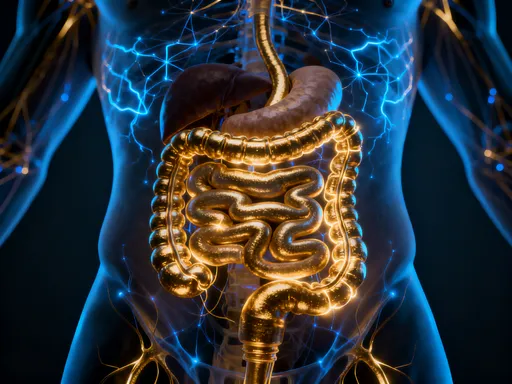
These three forms of energy are interconnected. Poor sleep can reduce physical energy, which in turn impairs mental focus and increases emotional reactivity. Skipping meals may cause blood sugar drops, leading to irritability and difficulty concentrating. Over time, these imbalances create a cycle of depletion that is hard to break. The body generates energy through a complex network involving the digestive, endocrine, and nervous systems. Hormones like cortisol, insulin, and thyroid hormones play crucial roles in regulating energy production and distribution. When these systems are disrupted by stress, poor nutrition, or irregular routines, energy output declines.
Despite this complexity, many people rely on oversimplified solutions. Caffeine, for example, is often treated as an energy source, but it is not. It is a stimulant that blocks adenosine, the brain’s signal for tiredness, creating a temporary alertness that masks fatigue rather than addressing its cause. Similarly, sleep is essential, but it is not the only factor. A person can sleep eight hours and still feel drained if their diet, hydration, or stress levels are unbalanced. True energy restoration requires a holistic approach that supports all aspects of the body’s energy systems.
Why Awareness Comes First
Most women are conditioned to push through discomfort, ignoring early signs of fatigue until they can no longer function. This pattern often begins in youth, where perseverance is praised and rest is seen as laziness. Over time, the ability to read body signals diminishes. A slight headache, afternoon brain fog, or increased irritability are dismissed as normal, when in fact they are warning signs of energy depletion. Awareness is the foundation of energy mastery because you cannot manage what you do not notice.
Consider a typical scenario: a woman wakes up feeling groggy, skips breakfast to get the kids ready, drinks coffee to stay alert, eats a quick lunch at her desk, and powers through meetings with sheer determination. By 3 p.m., she feels sluggish and reaches for sugar or another coffee. In the evening, she feels too drained to exercise or prepare a healthy meal, opting for convenience food. She goes to bed late, feeling restless, and repeats the cycle the next day. Each step in this routine contributes to energy drain, yet none seem significant on their own. Only by stepping back and observing the full picture can the pattern be recognized and changed.
Self-observation is not about judgment, but about gathering data. It means paying attention to when energy peaks and dips occur, what foods or activities support or deplete vitality, and how emotions affect physical stamina. Keeping a simple energy journal for a week—rating energy levels hourly and noting meals, sleep, movement, and stress—can reveal powerful insights. For example, a woman might discover that her afternoon slump follows a high-carbohydrate lunch, or that her best focus occurs in the morning after a walk. These observations form the basis for personalized energy strategies that are far more effective than generic advice.
The 3 Non-Negotiable Daily Energy Leaks
Even with good intentions, daily habits can unknowingly drain energy. Three of the most common and preventable leaks are poor hydration, irregular eating rhythms, and mental clutter. Each one disrupts the body’s ability to maintain stable energy, and all three are easily corrected with small, consistent changes.
Dehydration is a major but often overlooked cause of fatigue. The human body is about 60% water, and even mild dehydration—just 1-2% loss of body weight in fluids—can impair concentration, mood, and physical performance. Many women do not drink enough water throughout the day, relying instead on coffee, tea, or sugary beverages that can worsen dehydration. The brain is especially sensitive to fluid balance; when water levels drop, cognitive function declines, leading to brain fog and reduced alertness. A simple fix is to start the day with a glass of water and keep a reusable bottle nearby. Sipping water consistently, rather than drinking large amounts infrequently, supports steady hydration and sustained energy.
Irregular eating patterns are another key drain. Skipping meals, especially breakfast, forces the body into a state of energy conservation. Blood sugar drops, triggering the release of stress hormones like cortisol and adrenaline to compensate. While this provides a short-term boost, it leads to fatigue later and increases cravings for quick-energy foods like sugar and refined carbs. Eating at consistent times, with balanced meals that include protein, healthy fats, and complex carbohydrates, helps maintain stable blood sugar and steady energy. A morning routine that includes a nutritious breakfast—such as eggs with vegetables, or oatmeal with nuts and fruit—sets a strong foundation for the day.
Mental clutter is the third major energy leak. The brain consumes about 20% of the body’s energy, and constant multitasking, digital overload, and unresolved worries increase its workload. When the mind is overloaded, it becomes inefficient, requiring more effort for simple tasks. This mental fatigue accumulates quickly, especially for women managing multiple responsibilities. Reducing mental clutter involves creating space for focus and recovery. Simple practices like writing down tasks instead of holding them in memory, scheduling short breaks to reset, and limiting screen time before bed can significantly reduce cognitive load. A quiet five-minute pause in the middle of the day, spent breathing deeply or stepping outside, can restore mental clarity and prevent burnout.
Fueling Sustainably: Beyond Coffee and Crash Diets
Food is the body’s primary fuel, yet many women rely on quick fixes that lead to energy crashes. Coffee, sugar, and processed snacks provide immediate stimulation but fail to support long-term vitality. Sustainable energy comes from foods that release energy gradually, maintain blood sugar balance, and provide essential nutrients for cellular function. The key is not restriction, but rhythm and balance.
Macronutrients—carbohydrates, proteins, and fats—each play a role in energy production. Carbohydrates are the body’s preferred energy source, but the type matters. Complex carbohydrates, such as whole grains, legumes, and vegetables, release glucose slowly, preventing spikes and crashes. Simple carbohydrates, like white bread, pastries, and soda, cause rapid blood sugar increases followed by sharp drops, leading to fatigue and cravings. Including fiber-rich carbs in every meal helps maintain steady energy levels.
Protein is essential for stabilizing blood sugar and supporting neurotransmitter production, which affects mood and focus. Including a source of lean protein—such as eggs, poultry, fish, beans, or tofu—in each meal helps sustain energy and reduce hunger between meals. Healthy fats, such as those found in avocados, nuts, seeds, and olive oil, are crucial for brain function and hormone balance. They provide long-lasting energy and help absorb fat-soluble vitamins.
Meal timing also matters. Eating every 3-4 hours helps maintain metabolic activity and prevents energy dips. A balanced breakfast within an hour of waking jump-starts metabolism. A mid-morning snack, such as Greek yogurt with berries or a handful of almonds, prevents the 11 a.m. slump. Lunch should include protein, vegetables, and a complex carb to sustain afternoon focus. An afternoon snack, like apple slices with peanut butter, can prevent the need for caffeine. Dinner should be satisfying but not heavy, with a focus on lean protein and vegetables. Avoiding large meals late at night supports better sleep and overnight recovery.
Movement That Recharges, Not Drains
Exercise is often associated with energy, but the type and timing of movement matter greatly. Many women believe that only intense workouts—long runs, high-intensity classes—can improve fitness and energy. However, for those already depleted, vigorous exercise can become another drain, increasing stress hormones and delaying recovery. The goal is not to exhaust the body, but to energize it.
Short, mindful movement practices can be more effective than long, grueling sessions. Activities like walking, stretching, yoga, or light strength training increase circulation, deliver oxygen to the brain, and stimulate the release of endorphins—natural mood and energy boosters. A 10-minute walk after lunch, for example, improves digestion, regulates blood sugar, and clears mental fog. Gentle stretching in the morning can awaken the body without strain. Even standing up and moving for a few minutes every hour during desk work helps prevent stiffness and mental fatigue.
For busy professionals, a simple routine might include five minutes of deep breathing and shoulder rolls upon waking, a 15-minute walk during lunch, and five minutes of stretching before bed. Parents can incorporate movement into daily tasks—playing with children in the yard, dancing to a favorite song, or doing squats while brushing teeth. The key is consistency, not intensity. Over time, these small efforts build resilience, improve sleep, and enhance overall energy.
Listening to the body is essential. On high-stress days, restorative practices like yoga or tai chi may be more beneficial than cardio. On days with higher energy, a longer walk or light jog can be invigorating. The goal is to support the body’s natural rhythms, not override them. Movement should leave you feeling refreshed, not drained.
Creating Your Personal Energy Rhythm
Every woman has a unique energy pattern influenced by biology, lifestyle, and responsibilities. Some are most alert in the morning, others in the evening. Some thrive on routine, others need flexibility. The key to sustainable energy is not to conform to an ideal schedule, but to understand and work with your natural rhythm.
Mapping your energy begins with observation. For one week, note your energy levels at different times of day—on a scale from 1 to 10—and record what you were doing, eating, and feeling. Look for patterns: when do you feel most focused? When do you typically slump? Use this data to align tasks with energy availability. Schedule demanding cognitive work—planning, writing, problem-solving—during peak energy times. Save routine or low-focus tasks—email, errands, organizing—for lower-energy periods.
Protecting recovery time is just as important as managing activity. Build in short breaks every 60-90 minutes to rest the mind. Use lunchtime to step away from screens and eat mindfully. Establish a wind-down routine in the evening—dimming lights, reducing noise, avoiding stimulating content—to signal the body that it’s time to recharge. Consistency in sleep and wake times, even on weekends, strengthens the body’s internal clock and improves energy stability.
Perfection is not the goal. Life is unpredictable, and energy will fluctuate. The aim is to create a flexible framework that supports resilience. Small, consistent habits—drinking water, eating balanced meals, moving mindfully, resting intentionally—add up over time. When energy is managed with care, it becomes a reliable resource rather than a scarce commodity.
Managing energy isn’t about quick fixes—it’s a daily practice of listening, adjusting, and respecting your body’s needs. When you shift from surviving to sustaining, you don’t just feel better; you live better. True vitality comes not from pushing through exhaustion, but from honoring the body’s wisdom. By focusing on sustainable habits, awareness, and balance, women can reclaim their energy and thrive in all areas of life. This is not a temporary change, but a lifelong commitment to well-being—one small, intentional choice at a time.