How I Quiet My Mind Without Medication — A Real Approach to Calm
Anxiety doesn’t have to control your life. As someone who’s faced constant overthinking and physical tension, I’ve learned that relief isn’t about quick fixes—it’s about rewiring daily habits. This isn’t a miracle cure, but a practical, science-backed path I’ve tested and trusted. In this article, we’ll explore how small, consistent changes in movement, breath, and mindset can significantly reduce anxiety while boosting overall mental resilience. You’re not broken—you’re just missing the right tools.
The Hidden Cost of Chronic Anxiety
Anxiety is more than just feeling stressed before a big meeting or worrying about a child’s health. When it becomes chronic, it transforms from a temporary reaction into a persistent undercurrent that affects nearly every aspect of daily living. It can disrupt concentration, weaken decision-making, and erode the quality of sleep. Over time, unmanaged anxiety contributes to physical symptoms such as muscle tension, digestive discomfort, and even cardiovascular strain. The body, designed to respond to short bursts of stress, begins to wear down under constant alertness, leading to fatigue and a lowered threshold for emotional regulation.
Many people dismiss their anxiety as simply part of their personality or a necessary cost of a busy life. But allowing anxiety to remain unaddressed has long-term consequences. Research indicates that chronic anxiety is linked to an increased risk of developing conditions such as hypertension, weakened immune function, and insomnia. It can also interfere with personal relationships and professional performance, not because individuals lack capability, but because their nervous systems are operating in a prolonged state of reactivity. This constant internal strain diminishes mental bandwidth, making even routine tasks feel overwhelming.
Global data reflects a growing concern. According to the World Health Organization, anxiety disorders are among the most common mental health conditions worldwide, with rates rising steadily over the past two decades. This increase is especially pronounced in environments characterized by high demands, information overload, and social isolation. While modern life offers convenience and connectivity, it also introduces new sources of psychological pressure. The expectation to be always available, productive, and emotionally composed can create a cycle of internal tension that feels inescapable.
Yet, anxiety is not a flaw or a sign of weakness. It is a biological signal—a message from the body that something is out of balance. Rather than viewing it as an enemy to be suppressed, it can be understood as a call to attention, much like pain alerts us to physical injury. When reframed in this way, anxiety becomes a catalyst for meaningful change. It invites a closer look at lifestyle patterns, thought habits, and environmental stressors. By responding with compassion and intention, individuals can shift from merely enduring anxiety to actively reshaping their mental landscape for greater resilience.
Why Traditional Coping Often Falls Short
When anxiety arises, many turn to familiar strategies for relief—some helpful, others less so. Common approaches include distraction through television or social media, emotional eating, or withdrawing from responsibilities. While these may offer temporary comfort, they do little to address the underlying causes of anxiety. In fact, relying on avoidance can reinforce the belief that anxious thoughts are too dangerous to face, inadvertently strengthening their hold over time. These coping mechanisms often function like emotional bandages—covering the wound without promoting true healing.
Another widely used approach is the reliance on medication. For some, prescription medications provide essential support, particularly during acute episodes. However, medication alone does not teach the mind new ways of responding to stress. It may reduce symptoms, but without complementary lifestyle changes, individuals may remain vulnerable to relapse once treatment ends. The goal of mental well-being should not be merely symptom management, but the development of lasting mental fitness—an inner strength that allows one to navigate challenges with greater ease and clarity.
This is where the concept of health optimization becomes essential. Rather than waiting for anxiety to escalate, optimization focuses on building resilience before crisis strikes. It treats mental health as a dynamic system influenced by daily choices—what we eat, how we move, the quality of our sleep, and the way we process thoughts. Just as physical fitness requires consistent effort, so too does mental fitness. The most effective strategies are those that integrate seamlessly into everyday life, becoming sustainable habits rather than occasional interventions.
What sets sustainable methods apart is their ability to work with the body’s natural systems rather than against them. Techniques such as breath regulation, mindful movement, and cognitive restructuring do not suppress anxiety—they help the nervous system recalibrate. These practices train the brain to recognize safety, reduce reactivity, and restore balance. Over time, they foster a sense of internal stability that no quick fix can provide. The shift is from reacting to anxiety as a crisis to responding to it as a signal—inviting awareness, not fear.
Breath as Your First Line of Defense
One of the most immediate and accessible tools for calming the mind is the breath. Unlike other physiological functions, breathing operates both automatically and consciously, making it a unique bridge between the nervous system and voluntary control. When anxiety arises, the breath often becomes shallow and rapid—a survival response meant to prepare the body for action. But in modern life, this response is frequently triggered by non-life-threatening situations, leaving the body in a state of false alarm. By intentionally regulating the breath, it is possible to send a direct message to the brain: you are safe.
The science behind this is both elegant and well-documented. Slow, rhythmic breathing activates the vagus nerve, a key component of the parasympathetic nervous system responsible for rest and recovery. This activation reduces levels of cortisol, the primary stress hormone, while improving heart rate variability—a marker of nervous system flexibility. Studies have shown that just a few minutes of controlled breathing can lower blood pressure, reduce muscle tension, and improve cognitive clarity. These effects are not subtle—they are measurable and immediate, making breath work a powerful first step in anxiety management.
A simple yet effective technique is the 4-6-8 breathing method. Begin by inhaling quietly through the nose for a count of four. Hold the breath gently for six seconds, then exhale slowly through the mouth for eight counts. This extended exhalation is particularly effective in stimulating the vagus nerve, enhancing the calming response. Practicing this cycle for just three to five minutes can shift the body from a state of tension to one of calm. The technique requires no special equipment, can be done anywhere, and is easily repeated throughout the day.
Integrating breath work into daily routines amplifies its benefits. For example, using a breathing reset before a challenging conversation can prevent emotional escalation. Practicing it during a commute helps transition from work stress to family time. Even incorporating a few rounds before bed can improve sleep onset and quality. Over time, these micro-moments of regulation accumulate, training the nervous system to return to balance more quickly. The breath, once overlooked, becomes a trusted companion—a silent ally in moments of uncertainty.
Movement That Soothes the Mind
Physical activity is often praised for its role in reducing anxiety, but the focus tends to fall on intense workouts—running, weightlifting, high-intensity interval training. While these forms of exercise have value, they are not the only, nor always the most effective, way to calm the mind. For many, especially those already feeling fatigued or overwhelmed, vigorous exercise can feel like another demand, adding to the burden rather than relieving it. A more sustainable and gentle approach lies in low-impact movement—activities that soothe rather than exhaust.
Walking, stretching, and rhythmic motion such as tai chi or gentle yoga are powerful regulators of the nervous system. These activities do not rely on exertion but on rhythm and awareness. When the body moves in a smooth, predictable pattern, it sends signals of safety to the brain. This is rooted in biology: our ancestors evolved to interpret erratic movement as a sign of danger, while steady, flowing motion indicated safety and stability. Even today, the brain responds to rhythmic movement by reducing threat perception and increasing feelings of calm.
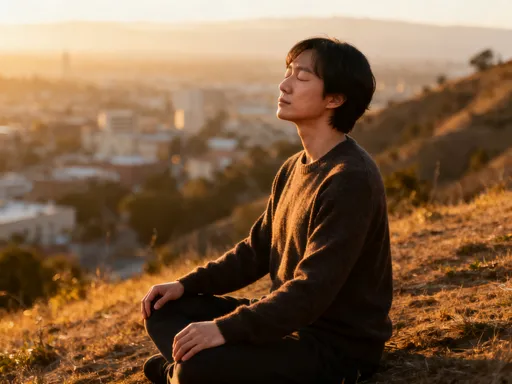
The mind-body connection is especially evident in practices that emphasize coordination and breath. For instance, a 20-minute walk in nature, with attention placed on the sensation of each step and the rhythm of breathing, can be more effective than an hour of treadmill running done distractedly. The key is not the calorie burn, but the quality of presence. When movement is paired with mindfulness, it becomes a form of moving meditation—one that grounds the mind in the present moment and interrupts the cycle of anxious thought.
For busy individuals, the beauty of low-impact movement lies in its accessibility. It does not require special equipment, a gym membership, or large blocks of time. A five-minute stretching routine upon waking, a 10-minute walk after lunch, or a few minutes of shoulder rolls and neck stretches during a work break—all of these micro-sessions contribute to nervous system regulation. The cumulative effect is significant: over time, the body learns to release tension more readily, and the mind follows. Movement, in this sense, is not punishment or performance—it is care.
Cognitive Hygiene: Cleaning Up Mental Clutter
Just as physical clutter can make a home feel chaotic, mental clutter contributes to the noise that fuels anxiety. This “mental noise” includes repetitive thoughts, unresolved worries, and the constant replay of past conversations or future scenarios. Left unchecked, these patterns create a sense of internal congestion, making it difficult to think clearly or feel at ease. Cognitive hygiene—the practice of organizing and managing thoughts—offers a way to clear this clutter and restore mental space.
One of the most effective tools is journaling. Writing down thoughts removes them from the volatile space of the mind and places them on paper, where they can be examined more objectively. This simple act reduces their emotional intensity. A structured approach, such as writing for 10 minutes each morning to unload thoughts, helps prevent them from circling endlessly throughout the day. Over time, patterns emerge—recurring fears, irrational beliefs, or distorted thinking—that can then be addressed with greater awareness.
Another useful strategy is thought labeling. When an anxious thought arises, instead of engaging with it, one can simply name it: “This is a worry about the future,” or “This is a fear of failure.” This practice creates distance between the individual and the thought, weakening its grip. It reinforces the understanding that thoughts are not facts—they are mental events that come and go. By observing them without judgment, their power diminishes.
Scheduled worry time is another evidence-backed method. Rather than allowing anxiety to intrude at any moment, individuals can designate a specific 15-minute window each day to focus on their concerns. During this time, they write down worries, explore solutions, or simply acknowledge them. Outside of this window, when anxious thoughts arise, they are gently noted and postponed. This technique trains the brain to contain anxiety rather than let it spill into every part of the day. Over time, the mind learns that worries will be addressed—just not now—reducing their urgency and frequency.
Sleep, Light, and Daily Rhythms
The body thrives on rhythm. Circadian rhythms—internal clocks that regulate sleep, hormone release, and metabolism—are deeply tied to mental health. When these rhythms are disrupted, anxiety sensitivity increases. Irregular sleep patterns, late-night screen use, and inconsistent wake times can all destabilize the nervous system, making it more reactive to stress. Conversely, stabilizing daily routines provides a foundation of predictability that the brain interprets as safety.
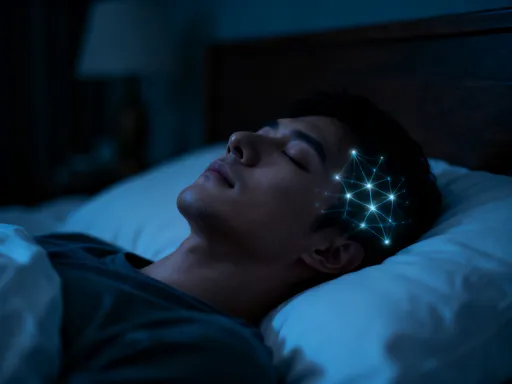
Sleep is perhaps the most critical factor. Poor sleep does not merely cause fatigue—it impairs emotional regulation, lowers frustration tolerance, and heightens sensitivity to perceived threats. Research shows that even a single night of disrupted sleep can increase activity in the amygdala, the brain’s fear center, while reducing connectivity with the prefrontal cortex, which governs rational thought. This imbalance makes it harder to manage anxiety the following day. Prioritizing consistent sleep times, even on weekends, helps align the body’s internal clock and supports emotional resilience.
Light exposure plays a key role as well. Morning sunlight, in particular, helps reset the circadian rhythm by suppressing melatonin and boosting serotonin. Just 10 to 15 minutes of natural light upon waking can improve alertness and mood. For those unable to access sunlight, light therapy boxes have been shown to support circadian alignment, especially in darker months. Equally important is reducing blue light exposure in the evening. Screens emit wavelengths that interfere with melatonin production, delaying sleep onset. Establishing a screen-free hour before bed—replaced with reading, conversation, or relaxation—can significantly improve sleep quality.
Together, these elements form a daily rhythm that supports mental clarity. Waking at a consistent time, moving the body in the morning, eating meals at regular intervals, and winding down in the evening create a scaffold for calm. The nervous system, no longer guessing what comes next, can relax into predictability. This stability does not eliminate anxiety, but it reduces its intensity and frequency, making it easier to manage when it does arise.
Building a Personalized Anxiety-Resilience Plan
No single strategy works for everyone. What brings relief to one person may feel ineffective or even overwhelming to another. This is why a personalized approach to anxiety management is essential. The goal is not to adopt every technique at once, but to experiment thoughtfully and identify what aligns with individual needs, lifestyle, and preferences. Optimization is not about perfection—it is about finding what works and building from there.
The first step is self-awareness. Identifying personal triggers—specific situations, times of day, or thought patterns that precede anxiety—provides valuable insight. Keeping a simple log for a week can reveal patterns: perhaps anxiety spikes in the late afternoon, or after certain types of conversations. With this knowledge, targeted strategies can be applied. For example, if late-afternoon fatigue leads to rumination, a short walk or breathing exercise at that time may prevent escalation.
Testing methods systematically increases the likelihood of success. Rather than trying multiple changes at once, introduce one practice for at least two weeks before adding another. This allows time to observe subtle shifts—such as faster recovery after stress, improved focus, or better sleep. Tracking these improvements, even informally, reinforces motivation and provides evidence of progress. It also helps distinguish between what is truly helpful and what may not be a good fit.
Consistency matters more than intensity. Five minutes of daily breath work is more beneficial than an hour once a month. Small, repeated actions reshape the nervous system over time. At the same time, it is important to recognize when professional support is needed. While lifestyle changes are powerful, they are not a substitute for therapy or medical care in cases of clinical anxiety. Seeking help from a licensed mental health professional is a sign of strength, not failure. A comprehensive approach—combining self-care with expert guidance—offers the best path forward.
Anxiety relief isn’t about elimination—it’s about empowerment. By treating mental health as a dynamic system that responds to daily inputs, we shift from survival to optimization. The tools shared here aren’t quick escapes, but lasting upgrades. When combined with self-awareness and patience, they form a sustainable path to a calmer, clearer mind. The goal isn’t to never feel anxious again, but to know, without doubt, that you can find your way back to calm—every single time.