What I Wish I Knew About Moving Well While Pregnant
Pregnancy changes everything—especially how your body moves. I used to think exercise during pregnancy meant slowing down to almost nothing, but what I discovered transformed my energy, comfort, and confidence. Turns out, staying active isn’t just safe—it’s one of the best things you can do. This guide shares what actually works, based on real experience and expert insight, so you can move with purpose and feel your strongest through every trimester.
Understanding the Why: The Real Benefits of Staying Active
For decades, the common belief was that pregnancy required rest above all else. Many women were advised to avoid exertion, limit movement, and prioritize stillness to protect the growing baby. Today, extensive research has reshaped that narrative. Medical organizations such as the American College of Obstetricians and Gynecologists (ACOG) now recommend at least 150 minutes of moderate-intensity aerobic activity per week for most pregnant individuals, provided there are no medical or obstetric complications. This shift is not arbitrary—it’s grounded in evidence showing that physical activity during pregnancy supports both maternal and fetal health in measurable ways.
One of the most immediate benefits of regular movement is improved circulation. As blood volume increases by nearly 50 percent during pregnancy, maintaining healthy blood flow becomes essential. Exercise helps prevent pooling in the lower extremities, reducing the risk of swelling and varicose veins. It also supports cardiovascular efficiency, which can ease the strain on the heart as it works harder to supply oxygen to both mother and baby. Women who stay active often report less fatigue, not because they expend less energy, but because their bodies become more efficient at delivering oxygen and nutrients where they’re needed.
Mood regulation is another powerful outcome of consistent physical activity. Hormonal fluctuations during pregnancy can contribute to anxiety and low mood, but exercise stimulates the release of endorphins and serotonin—natural mood enhancers. Studies have shown that women who engage in regular prenatal exercise are less likely to experience symptoms of prenatal depression. The act of moving also fosters a sense of control and connection to the body, which can be deeply reassuring during a time of rapid physical change.
Sleep, often disrupted during pregnancy, also improves with routine movement. Physical exertion helps regulate the body’s circadian rhythm, making it easier to fall asleep and stay asleep. Additionally, managing common discomforts like back pain and muscle tension through movement can reduce nighttime awakenings. Better sleep, in turn, supports immune function, emotional resilience, and overall well-being.
Perhaps one of the most impactful benefits is preparation for labor. Exercises that strengthen the core, improve pelvic alignment, and enhance body awareness can make labor more manageable. For example, pelvic floor muscle training has been associated with shorter second stages of labor and reduced rates of instrumental delivery. Similarly, regular walking and upright postures encourage the baby to settle into an optimal position for birth. These are not minor advantages—they represent meaningful improvements in the childbirth experience.
Postpartum recovery is also influenced by prenatal fitness. Women who remain active during pregnancy often regain strength and endurance more quickly after delivery. They may experience less postpartum pain, improved bladder control, and greater confidence in their physical abilities. Movement builds resilience, and that resilience carries forward into the demanding early weeks of motherhood.
Despite these benefits, myths persist. Some still believe that exercise could “overheat” the baby or cause miscarriage. However, the body has natural mechanisms to regulate temperature, and moderate activity does not raise core temperature to dangerous levels. Miscarriage is not caused by exercise in healthy pregnancies; it is typically the result of chromosomal abnormalities. Another myth is that lifting weights or strength training could harm the abdomen. In reality, maintaining muscle strength supports posture, reduces back strain, and prepares the body for the physical demands of carrying and caring for a newborn.
The truth is, movement is not a risk—it’s a resource. When approached with awareness and consistency, it becomes one of the most effective tools for navigating pregnancy with strength and grace.
Listening to Your Body: Recognizing Signals Over Rules
No two pregnancies are alike, and neither should be the approach to movement. While guidelines offer a helpful starting point, the most important source of guidance comes from within. Learning to interpret your body’s signals is a skill that grows stronger with practice. Fatigue, discomfort, and changes in energy are not signs to stop moving altogether, but cues to adjust how and when you move. This internal dialogue fosters a deeper connection to your body and empowers you to make choices that honor your unique experience.
One of the first shifts in mindset is understanding the difference between discomfort and danger. Some level of muscle fatigue or mild soreness after activity is normal, especially when beginning a new routine. However, sharp pain, vaginal bleeding, dizziness, or chest pain are clear warning signs that require immediate attention and cessation of activity. These symptoms should always be discussed with a healthcare provider. More subtle signals, such as persistent lower back ache or pelvic pressure, may indicate that a movement needs modification or that rest is needed that day.
Energy levels can fluctuate dramatically during pregnancy, often varying from day to day or even hour to hour. One morning you might feel strong enough for a brisk walk, and the next, even stretching feels like too much. Instead of viewing this as inconsistency or failure, it’s more helpful to see it as information. High energy might mean your body is ready for more structured movement, while low energy could signal a need for gentle mobility or restorative practices like prenatal yoga or deep breathing.
Another key signal is breath. During safe exercise, you should be able to speak in short sentences without gasping. If you find yourself breathless, it’s a sign to slow down. This “talk test” is a simple, reliable way to monitor intensity. Similarly, if you feel your heart racing excessively or experience lightheadedness, these are signs that your body is working too hard and needs a break.
Hydration and nutrition also play a role in how your body responds to movement. Dehydration can mimic fatigue and increase the risk of overheating. Eating a small, balanced snack before exercise—such as a banana with peanut butter or a handful of nuts and fruit—can provide sustained energy without causing discomfort. Listening includes paying attention to how your body feels before, during, and after activity, not just during the workout itself.
The goal is not to follow a rigid schedule but to cultivate awareness. This intuitive approach builds confidence. You begin to trust that you know your body best. Over time, this trust extends beyond exercise into other areas of pregnancy care, from nutrition to sleep to emotional well-being. Movement becomes less about performance and more about partnership with your changing body.
Building a Weekly Movement Plan That Fits Real Life
Consistency matters more than intensity when it comes to prenatal exercise. The most effective routines are those that can be sustained over time, even as energy levels shift and physical demands increase. The good news is that you don’t need a gym membership, special equipment, or hours of free time to stay active. A realistic movement plan integrates physical activity into your daily rhythm, making it accessible and manageable no matter your schedule.
A balanced weekly plan includes three key components: cardiovascular exercise, strength training, and flexibility work. In the first trimester, many women experience fatigue and nausea, so shorter, lighter activities may be more sustainable. A 20-minute walk after meals, gentle stretching in the morning, or a short prenatal yoga video can provide benefits without overwhelming the body. As energy often improves in the second trimester, you might increase duration or add light strength work using bodyweight or resistance bands.
By the third trimester, comfort becomes a greater priority. Upright movements like walking or swimming remain excellent choices, as they support circulation without putting pressure on the joints. Seated or supported exercises can also be incorporated, especially if balance becomes a concern. The key is adaptability. A sample week might include three days of 30-minute walks, two days of strength exercises (focusing on legs, glutes, and upper back), and daily stretching or breathing practices.
Household activities can also count as movement. Carrying groceries, folding laundry, or playing with older children all contribute to daily physical activity. The goal is not to achieve perfection but to stay consistently active in ways that feel natural and enjoyable. Even two 10-minute walks spread throughout the day can add up to meaningful movement.
Planning ahead helps maintain consistency. Choosing workout clothes the night before, scheduling walks during a partner’s break, or keeping resistance bands in the living room can reduce barriers to action. Pairing movement with something pleasurable—like listening to a podcast or calling a friend while walking—can increase motivation. The more seamlessly exercise fits into your life, the more likely you are to stick with it.
Flexibility is essential. Some days, you may only manage five minutes of stretching. That’s still valuable. On other days, you might feel strong and energized, allowing for a longer session. The goal is progress, not perfection. Over time, even small efforts accumulate into significant benefits for both body and mind.
Safe & Effective Moves: Exercises Backed by Practice and Professionals
When choosing exercises during pregnancy, safety and functionality should be the top priorities. The best movements support daily activities, improve posture, and prepare the body for labor and recovery. They should feel stable, controlled, and comfortable, with modifications available for each trimester. Below are several evidence-based exercises that are widely recommended by prenatal fitness experts and physical therapists.
Walking is one of the simplest and most effective forms of exercise. It requires no equipment, can be done almost anywhere, and supports cardiovascular health without impact. To maximize benefits, maintain an upright posture, engage your core gently, and swing your arms to increase circulation. Aim for a pace where you can talk but not sing. If joint discomfort arises, try walking on softer surfaces like grass or a treadmill with cushioning.
Modified squats are excellent for building leg and glute strength, which supports pelvic stability. Stand with feet shoulder-width apart, toes slightly turned out. Lower your body as if sitting into a chair, keeping your chest lifted and knees aligned over your toes. Use a wall or sturdy chair for balance if needed. This movement helps open the pelvis and strengthens the muscles used in labor and lifting.
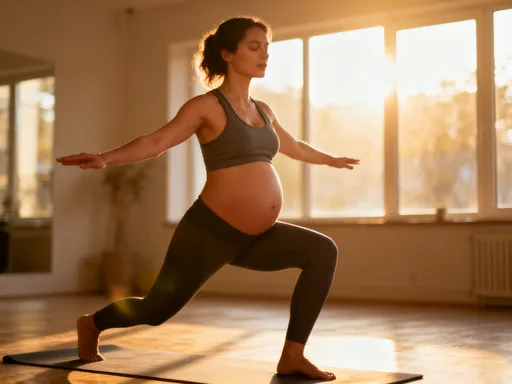
Prenatal yoga offers a blend of strength, flexibility, and breath awareness. Poses like cat-cow, supported bridge, and seated forward fold help relieve back tension, improve circulation, and promote relaxation. Always use props like pillows or blocks for support, and avoid deep twists or lying flat on your back after the first trimester. Prenatal yoga classes, whether in person or online, are designed to accommodate changing bodies and are led by instructors trained in safe modifications.
Standing pelvic tilts are another functional movement. Place your hands on your hips and gently rock your pelvis forward and backward. This small motion helps relieve lower back pressure, improves spinal alignment, and increases awareness of pelvic positioning. It can be done throughout the day, even while waiting in line or standing in the kitchen.
Wall push-ups build upper body strength without strain. Stand facing a wall, place your hands on it at shoulder height, and perform controlled push-ups. This strengthens the arms and chest, which will be useful when lifting and holding your baby. As pregnancy progresses, this modification reduces pressure on the abdomen compared to floor push-ups.
Resistance band rows target the upper back and shoulders, counteracting the forward slump that often occurs as the chest and belly grow. Sit or stand with the band under your feet, pull the ends toward your ribs, and squeeze your shoulder blades together. This improves posture and reduces neck and shoulder tension.
All movements should be performed with control and attention to form. Avoid holding your breath or straining. If any exercise causes discomfort, stop and modify or replace it. The goal is to feel stronger, not sore or unstable.
Energy Management: Timing, Pacing, and Mental Shifts
Exercise during pregnancy is as much about mental and emotional rhythm as it is about physical routine. Energy levels are rarely predictable, and trying to maintain a rigid workout schedule can lead to frustration. Instead, a flexible approach that honors daily fluctuations can make movement more sustainable. Timing your activity to match your natural energy peaks can make a significant difference. For some, morning walks provide a boost before fatigue sets in. For others, a gentle stretch after dinner helps unwind and prepare for sleep.
Pacing is equally important. Starting slowly and gradually increasing duration or intensity helps prevent burnout. A 10-minute walk is a valid workout. So is five minutes of deep breathing and stretching. The key is consistency over time, not intensity in the moment. Viewing movement as self-care, rather than a task to check off, shifts the mindset from obligation to nourishment.
Mental blocks like guilt or perfectionism can interfere with motivation. You might feel guilty for skipping a day or disappointed that you can’t do what you once could. These feelings are common, but they don’t reflect failure. Pregnancy is not the time to measure yourself against past performance. Instead, focus on how movement makes you feel—more grounded, more capable, more connected. Celebrate small victories, like choosing to walk instead of drive or taking a moment to stretch after sitting for a long time.
Motivation often comes from purpose. Remind yourself why you’re moving—to feel stronger, to sleep better, to prepare for birth. Keeping a simple journal can help reinforce this. Note how you felt before and after activity, what you did, and how it served you. Over time, these reflections build a positive feedback loop that supports continued effort.
Support from family or friends can also enhance motivation. Walking with a partner, joining a prenatal fitness group, or sharing your goals with someone you trust creates accountability and connection. Even if others don’t exercise with you, knowing they support your efforts can make a difference.
Partnering with Professionals: When and How to Seek Support
While personal experience and general guidelines are valuable, professional guidance is essential for a safe and effective prenatal movement plan. Your healthcare provider is the first point of contact. Before starting or continuing any exercise program, discuss your plans with your doctor or midwife. They can identify any medical conditions that may require modifications or restrictions, such as placenta previa, preeclampsia, or cervical insufficiency.
Ask specific questions: Is it safe for me to continue my current routine? Are there activities I should avoid? How will I know if something isn’t right? These conversations ensure you have personalized, medically sound advice. If you experience pelvic girdle pain, diastasis recti, or urinary incontinence, a pelvic floor physical therapist can provide targeted exercises and support.
Certified prenatal fitness instructors are another valuable resource. They understand the physiological changes of pregnancy and can guide you through safe, effective workouts. Look for certifications from reputable organizations and, if possible, attend classes specifically designed for pregnant individuals. Online programs can also be helpful, but choose those led by qualified professionals with experience in prenatal health.
Remember, seeking support is not a sign of weakness—it’s a sign of wisdom. You are making informed choices to care for yourself and your baby, and that deserves respect.
From Pregnancy to Postpartum: Creating Continuity in Movement
The benefits of prenatal exercise extend far beyond delivery. Women who stay active during pregnancy often find the transition into motherhood smoother, both physically and emotionally. Movement builds a foundation of strength, endurance, and body awareness that supports recovery. Core engagement, pelvic floor control, and cardiovascular fitness gained during pregnancy can reduce postpartum complications and speed up healing.
After birth, the body needs time to heal. However, gentle movement often begins within days of delivery, with walking being a common first step. Early activity supports circulation, reduces the risk of blood clots, and improves mood. As healing progresses, reintroducing strength and flexibility exercises under medical guidance helps restore function and confidence.
The habits formed during pregnancy can become lifelong practices. Viewing movement as a form of self-respect, rather than punishment or performance, fosters a sustainable relationship with physical activity. This mindset benefits not only the mother but also the family, as children learn by example. A home where movement is valued and practiced becomes a place of health and vitality.
This journey is not about achieving a certain look or meeting external expectations. It’s about honoring the profound transformation your body is undergoing. Each step, stretch, and breath is an act of care. By moving with intention, listening with compassion, and trusting your body’s wisdom, you cultivate strength that lasts long after pregnancy ends.