How I Finally Got Serious About My Health — And What Changed Everything
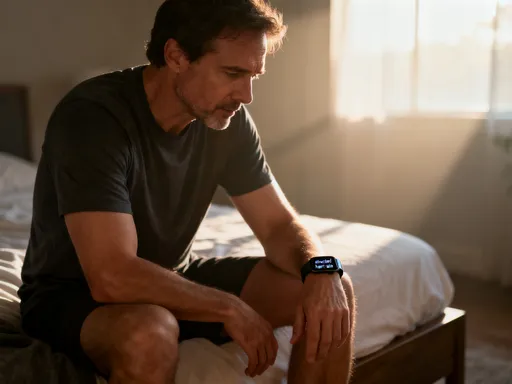
For years, I ignored the small signs—low energy, restless sleep, that nagging stiffness after sitting too long. I thought “busy” was just the price of adult life. But when my wearable flagged an unusually high resting heart rate for the third week in a row, I paused. What if tracking wasn’t just for athletes or data nerds? What if paying attention could actually change how I feel every day? That question sparked a journey in daily health monitoring—and transformed how I move, rest, and live.
The Wake-Up Call: When Data Met Reality
It wasn’t a doctor’s appointment or a dramatic symptom that changed everything—it was a pattern. For three consecutive weeks, my wearable device showed a resting heart rate consistently above 85 beats per minute, despite no major illness or fever. At first, I dismissed it as stress from a busy work season. But the data didn’t lie. I began to wonder: had I been ignoring my body’s quiet warnings all along?
That moment marked a turning point. I realized I’d been operating on assumptions—believing I was fine because I hadn’t collapsed or been diagnosed with anything. But health isn’t only about absence of disease; it’s about balance, resilience, and daily function. The wearable didn’t diagnose me, but it illuminated patterns I couldn’t feel: disrupted sleep cycles, elevated stress markers, and declining physical activity over months. These weren’t emergencies, but they were signals—small deviations that, left unaddressed, could lead to bigger issues.
What made the difference was consistency. One high reading could be a fluke. Three weeks of elevated data wasn’t. Passive monitoring allowed me to see my health not as a snapshot, but as a story unfolding over time. I started to recognize that fatigue wasn’t just “normal tiredness” from parenting or work—it was cumulative, measurable, and, most importantly, reversible. This shift—from ignoring to observing—was the first step toward real change.
Why Monitoring Matters More Than Metrics
There’s a common misconception that health tracking is about chasing numbers: lower weight, faster runs, perfect sleep scores. But true value lies not in the metrics themselves, but in the awareness they cultivate. Monitoring isn’t about perfection; it’s about understanding your unique baseline. What feels normal for one person might be a red flag for another. For me, a resting heart rate in the 70s is typical. Seeing it climb into the 80s became a clue, not a crisis.
Science supports this approach. Studies show that individuals who track health indicators like heart rate variability (HRV), sleep efficiency, and daily activity levels develop greater body literacy—the ability to interpret internal signals with more accuracy. This awareness helps detect early signs of overtraining, chronic stress, or immune system strain before symptoms become severe. For example, a declining HRV trend often precedes feelings of burnout, offering a window to adjust lifestyle before exhaustion sets in.
Yet, the goal isn’t obsession. Constantly checking numbers can backfire, leading to anxiety or disordered behaviors. The key is meaningful engagement: using data to inform decisions, not dictate self-worth. A single night of poor sleep doesn’t mean failure. But if poor sleep becomes a trend alongside rising stress markers, it’s a signal to examine routines, screen time, or emotional load. Tools provide context, but interpretation requires wisdom. A high step count means little if it comes at the cost of recovery. Balance, not extremes, is the aim.
Ultimately, monitoring transforms health from an abstract concept into a daily practice. It shifts the focus from reactive care—waiting for problems to arise—to proactive stewardship. By building a relationship with your body’s rhythms, you gain the power to respond early, adapt quickly, and maintain stability even during life’s busiest seasons.
Choosing the Right Tools Without Getting Overwhelmed
With countless apps, wearables, and smart devices on the market, starting a health tracking journey can feel overwhelming. The temptation is to buy the most advanced gadget or download every wellness app. But research and experience show that simplicity leads to sustainability. The best tool isn’t the one with the most features—it’s the one you’ll actually use consistently.
Wearables like fitness trackers and smartwatches are popular for good reason. They offer continuous monitoring of heart rate, sleep stages, and movement with minimal effort. For many, this passive tracking removes the burden of manual logging. However, not all devices are created equal. Look for models with validated accuracy in measuring core metrics like resting heart rate and sleep duration. Features like heart rate variability tracking and blood oxygen estimation can be helpful, but shouldn’t be relied upon for medical diagnosis.
Apps are another accessible option, especially for those not ready to invest in hardware. Many free or low-cost apps allow manual entry of symptoms, mood, food, and activity. While less automated, they encourage mindfulness and reflection. Journaling by hand or digitally can also be powerful, particularly for tracking subjective experiences like energy levels or emotional well-being—data that devices can’t capture.
The biggest mistake people make is trying to track everything at once. Overloading on metrics leads to burnout and abandonment. A more effective strategy is to start with one area—sleep, for example. Track it consistently for two to three weeks. Notice patterns. Then, if desired, add another layer, like daily steps or hydration. This gradual approach builds confidence and habit without overwhelm.
Equally important is avoiding “gadget fatigue.” Some devices require frequent charging, complex syncing, or expensive subscriptions. Choose tools that fit your lifestyle, not the other way around. If a device feels like a chore, it won’t last. The goal is seamless integration—technology that supports, not complicates, your life.
Exercise Guidance Through Feedback, Not Guesswork
For years, my approach to exercise was based on guesswork: push hard when I felt guilty for skipping the gym, rest only when I was too sore to move. There was no strategy, only reaction. Health tracking changed that by introducing objective feedback. Now, workouts are guided by data—how my body is actually responding, not just how I think it should.
Heart rate zones, for instance, transformed my cardio sessions. Instead of running at a steady, exhausting pace, I learned to train in specific zones based on my fitness level. Moderate-intensity efforts (60–70% of max heart rate) became the foundation, building endurance without burnout. High-intensity intervals were reserved for days when recovery metrics indicated readiness. This shift prevented overtraining and made workouts more effective.
Recovery data became just as important as activity data. If my sleep quality was poor or my HRV was low, I knew my body needed rest. Instead of forcing a run, I’d opt for a walk or gentle stretching. This wasn’t laziness—it was respect for my body’s limits. Over time, I noticed that listening to these signals led to better performance. I recovered faster, had more energy, and avoided the injuries that once sidelined me for weeks.
Tracking also revealed imbalances in my routine. I thought I was active, but the data showed most of my movement was low-intensity—short walks, household chores. While valuable, this wasn’t enough to maintain muscle strength or cardiovascular fitness. With this insight, I added structured strength training twice a week and longer brisk walks on weekends. The result? Improved stamina, better posture, and a noticeable boost in daily energy.
Perhaps most importantly, data helped personalize my approach. Generic fitness advice—like “exercise 30 minutes a day”—doesn’t account for individual needs. For someone recovering from illness or managing chronic fatigue, that goal might be unrealistic. Tracking allowed me to set realistic, adaptive goals based on how I was actually doing, not an arbitrary standard. This flexibility made exercise sustainable, not stressful.
Building a Routine That Sticks—Without Burnout
Sustainability is the true measure of success in health. Many people start strong, tracking everything diligently for a few days, only to abandon the practice when life gets busy. The difference between short-term effort and long-term change lies in routine design. Tracking helped me build habits that fit my life, not fight against it.
The key was linking health behaviors to real-time feedback. For example, I noticed that on days when I walked after meals, my evening energy was more stable. When I skipped stretching, muscle tension spiked the next day. These observations turned abstract advice—“move more,” “stretch regularly”—into concrete, cause-and-effect actions. I wasn’t just following rules; I was responding to my body’s needs.
A sample week began to take shape: Monday through Friday, I aimed for 7,000–8,000 steps, with two strength sessions and daily stretching. Weekend mornings included longer walks, often with family. Sleep tracking guided my evening routine—on nights when I fell short of 7 hours, I prioritized an earlier bedtime the next night. Hydration and meal timing were adjusted based on energy and focus levels recorded in a simple journal.
But perfection wasn’t the goal. There were days when I forgot to wear my tracker, skipped workouts, or stayed up too late. The data didn’t shame me; it showed trends. Missing a day of tracking didn’t erase progress. What mattered was the overall pattern. This mindset—focusing on consistency, not flawlessness—prevented burnout and kept me engaged.
Another crucial factor was integration. Health practices weren’t isolated tasks; they became part of daily rhythms. Stretching while watching the news. Walking during phone calls. Drinking water before coffee. These small, seamless habits accumulated into meaningful change. Tracking provided the feedback loop that reinforced what worked and highlighted what needed adjustment.
When to Seek Help—And When to Trust Yourself
One of the most empowering aspects of health tracking is increased self-awareness. Over time, you learn what your normal looks like—your typical energy patterns, sleep duration, and recovery speed. This baseline becomes a reference point for detecting change. But with greater awareness comes responsibility: knowing when a trend warrants professional attention.
There are certain red flags that should never be ignored, even if you feel fine. A persistently elevated resting heart rate—especially if it lasts more than a few weeks—can indicate underlying issues like thyroid dysfunction, anemia, or chronic stress. A steady decline in physical activity tolerance, unexplained fatigue, or disrupted sleep cycles that don’t improve with lifestyle changes may also signal medical concerns.
In these cases, data becomes a powerful tool for doctor visits. Instead of saying, “I just feel tired,” I could show trends: “My resting heart rate has been above 85 for three weeks, my sleep efficiency dropped from 85% to 68%, and my daily steps have decreased by 40%.” This concrete information helps clinicians assess patterns over time, leading to more accurate evaluations and faster interventions.
But tracking doesn’t replace medical expertise. It supports it. Self-diagnosis based on wearable data can be dangerous. Devices are not medical-grade tools, and their readings can be influenced by factors like hydration, positioning, or software glitches. The goal is collaboration: using data to inform conversations with healthcare providers, not to bypass them.
At the same time, tracking builds confidence in your own judgment. You learn to distinguish between temporary fluctuations and meaningful shifts. You recognize that one bad night of sleep isn’t a crisis, but a week of poor sleep might require action. This balance—between self-trust and professional guidance—is essential for long-term well-being.
The Bigger Picture: Health as a Daily Practice
Looking back, the biggest change wasn’t a number on a screen. It was a shift in mindset. Health is no longer something I chase in bursts—through strict diets or intense workouts—only to abandon when life gets busy. It’s now a daily practice, woven into the fabric of my life. It’s choosing rest when needed, moving with purpose, and listening to my body with curiosity, not judgment.
Consistent monitoring has cultivated a deeper sense of responsibility—not as a burden, but as an act of self-respect. Showing up for myself each day, even in small ways, has compounded into lasting change. I have more energy to engage with my family, greater resilience during stressful times, and a quieter mind at night. These are not metrics, but lived experiences.
Prevention, not crisis management, has become the focus. By catching imbalances early, I’ve avoided the downward spiral of burnout and illness that once felt inevitable. This proactive approach has improved my quality of life in ways I didn’t anticipate: better focus at work, more patience at home, and a renewed sense of control.
Health tracking isn’t about becoming a data scientist. It’s about becoming more attuned to yourself. It’s about replacing guesswork with awareness, fear with understanding, and neglect with care. Whether through a simple journal or a smartwatch, the tools are merely gateways to a deeper relationship with your body.
In the end, it’s not about perfection. It’s about presence. It’s about honoring your body not just on the days you feel great, but especially on the days you don’t. It’s about making small, consistent choices that add up to a life of greater vitality, balance, and peace. That’s the real transformation—one day, one beat, one step at a time.